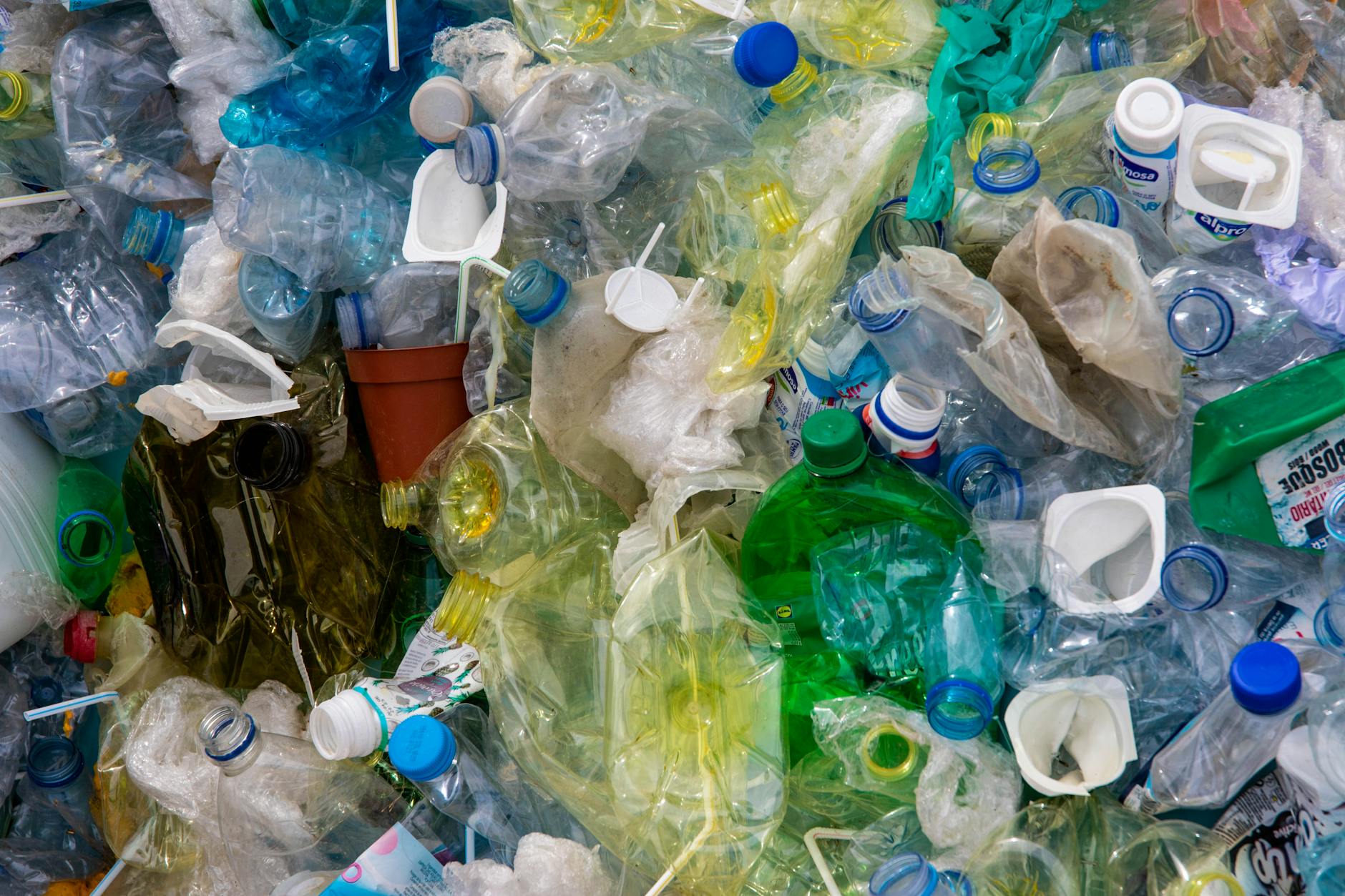
In a world increasingly aware of the environmental impacts of consumer choices, the need for transparency and informed decision-making has never been more critical. The “Clear Path Forward Act” proposes a groundbreaking approach to combating the proliferation of single-use plastics through comprehensive labeling and consumer education. This legislative proposal outlines a framework designed to empower consumers, encourage sustainable practices among manufacturers, and significantly reduce plastic waste.
Section 1: Introduction to the Clear Path Forward Act
The “Clear Path Forward Act” seeks to address the urgent environmental crisis posed by single-use plastics. By mandating clear, informative labeling on all consumer products regarding their packaging’s recyclability and the presence of single-use plastics, this act aims to foster a culture of sustainability and responsible consumption.
Section 2: Mandates for Product Labeling
- Recyclability Labeling: All consumer goods must prominently display labels indicating the recyclability of their packaging. This includes a standardized symbol system that clearly denotes whether packaging can be recycled, composted, or if it must be disposed of as waste.
- Single-Use Plastic Identification: Products containing single-use plastics must bear a label that identifies these materials, providing consumers with the knowledge to make environmentally conscious choices.
Section 3: Consumer Education Initiative
Recognizing that labeling alone is not sufficient to spur change, the “Clear Path Forward Act” includes provisions for a nationwide consumer education campaign. This initiative will:
- Educate the public on the importance of recycling and the environmental impacts of single-use plastics.
- Promote awareness of sustainable alternatives to single-use plastic products.
- Provide resources and guides to help consumers make eco-friendly choices in their daily lives.
Section 4: Support for Businesses
To ensure the successful implementation of this act, support will be provided to businesses, especially small and medium-sized enterprises (SMEs), to adapt to the new labeling requirements. This support includes:
- Grants and financial incentives for businesses that transition to sustainable packaging solutions.
- Resources and training for companies to comply with labeling standards effectively.
- Recognition programs for businesses leading the way in environmental sustainability.
Section 5: Implementation and Compliance
- The “Clear Path Forward Act” will be phased in over a three-year period, allowing businesses adequate time to adjust their practices.
- The Environmental Protection Agency (EPA) will oversee the implementation of the act, ensuring compliance and addressing any challenges that arise during the transition.
Section 6: Penalties for Non-Compliance
To ensure the effectiveness of “The Clear Path Forward Act” and its objectives in reducing the environmental impacts of single-use plastics, it is imperative to establish a structured penalty system for companies that fail to comply with the legislation. The penalties are designed not only as a deterrent but also to encourage prompt adoption of the mandated labeling and sustainable practices.
Penalty Structure:
- Initial Violation: Companies found in non-compliance with the labeling requirements for the first time will be issued a warning and provided with a 90-day period to achieve compliance. During this period, companies will have access to resources and support to meet the requirements.
- Second Violation: If a company fails to comply within the given 90-day period, a fine of $10,000 or 1% of the company’s annual domestic revenue (whichever is greater) will be imposed. The company will then be given an additional 60 days to comply.
- Subsequent Violations: For each subsequent violation, the fine will increase incrementally by an additional 2% of the company’s annual domestic revenue, with a maximum cap of 10% of the company’s annual domestic revenue. Continuous non-compliance beyond three violations will trigger a comprehensive review of the company’s practices by the Environmental Protection Agency (EPA).
- Aggravated Non-Compliance: Companies that deliberately mislabel products or show a pattern of disregard for the legislation will be subject to more severe penalties, including but not limited to:
- Fines up to $50,000 or 5% of the company’s annual domestic revenue.
- Public disclosure of non-compliance.
- Temporary suspension of the right to sell products in jurisdictions where the act is in effect.
Reinvestment of Fines:
Fines collected from non-compliant companies will be reinvested into environmental conservation projects and initiatives aimed at reducing plastic pollution. A portion of the fines will also fund educational programs to further consumer awareness on the importance of sustainable purchasing choices.
Appeals Process:
Companies have the right to appeal penalties within 30 days of notification. The appeals process will be transparent and fair, allowing companies to present evidence of compliance or mitigating circumstances. The EPA will review appeals on a case-by-case basis, ensuring that the enforcement of the act is just and equitable.
Section 7: Conclusion
The “Clear Path Forward Act” represents a significant step towards mitigating the environmental damage caused by single-use plastics. By empowering consumers with the information necessary to make responsible choices and supporting businesses in their transition to sustainable practices, this legislation paves the way for a cleaner, healthier planet for future generations.
Through this proposal, we invite all stakeholders—lawmakers, businesses, and consumers—to join us in forging a path towards sustainability and environmental stewardship. Together, we can create a legacy of care for our planet that transcends generations.
SEE ALSO
Part 1: Unwrapping the Truth – Steering Clear of Single-Use Plastics


Leave a Reply