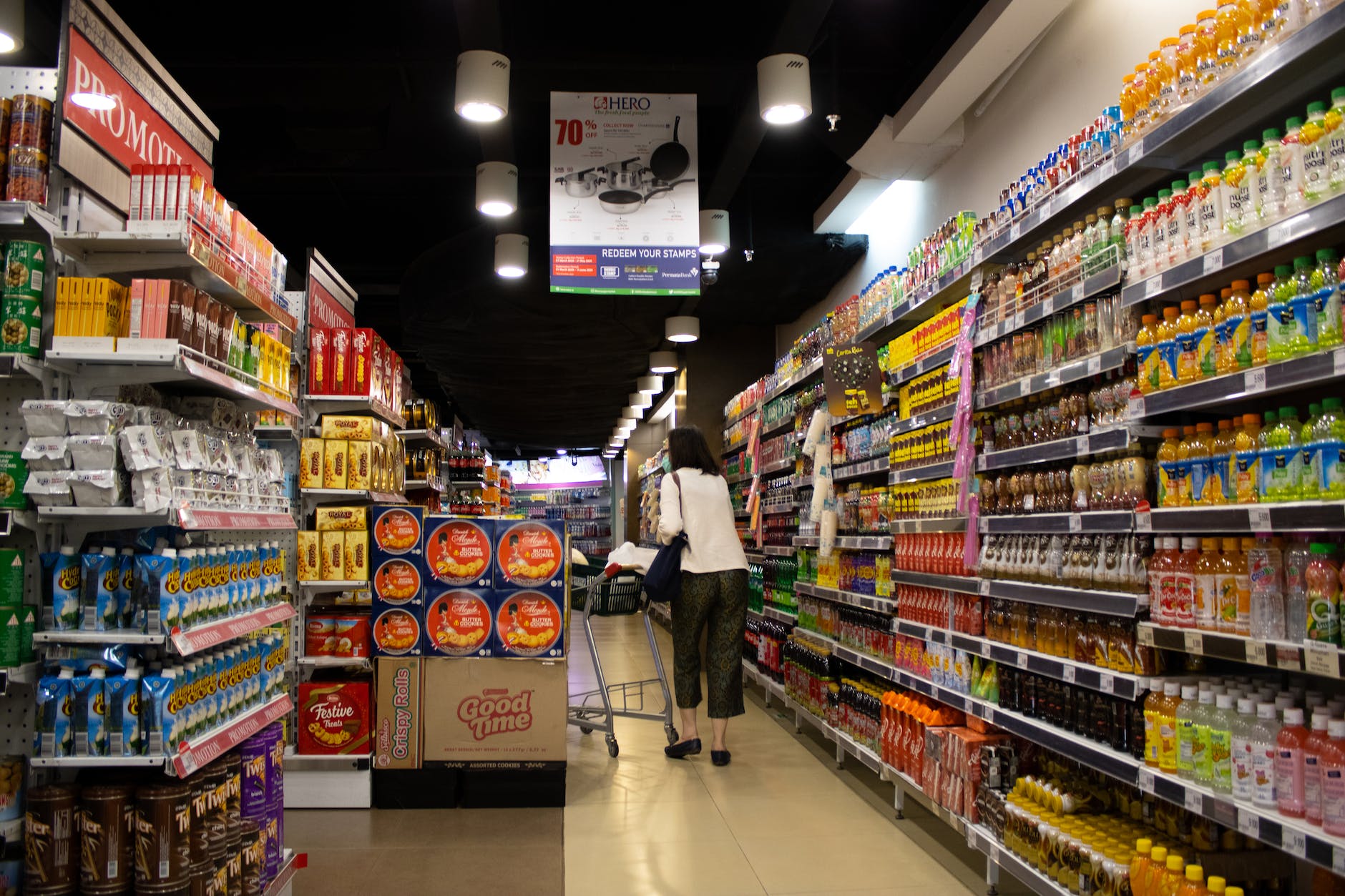
In the bustling aisles of our local supermarkets, a hidden drama unfolds. Shelves brimming with an array of products give the illusion of diversity and choice. Yet, a closer look reveals a different story: a few behemoths dominate the landscape, their reach extending far beyond what meets the eye. It’s a story replicated across various sectors, but nowhere is it more palpable than in the food and beverages industry.
This concentration means that despite the array of brands vying for your attention, the majority are owned by a handful of companies. From the snacks you nibble on to the soda you sip, the diversity you perceive is an illusion.
The Power Behind the Brands
These conglomerates exert an influence that extends far beyond the supermarket shelf. They shape cultural preferences, dictate market trends, and have a profound impact on the global economy. This outsized influence raises important questions about consumer choice, market fairness, and the health of our democracy.
For instance, when a few companies control a significant market share, they can influence prices, determine product variety, and set the terms of engagement for suppliers and competitors. This dynamic often stifles innovation and limits genuine competition, keeping smaller, potentially more innovative players out of the market.
The Case for Mandatory Transparency
Given this context, the need for legislative action becomes clear. We must advocate for laws that require these corporations to disclose the parent company on every product label. Such transparency would peel back the layers of brand anonymity, allowing consumers to see exactly who they’re buying from. This knowledge empowers consumers to make informed decisions aligned with their values and interests, be it supporting small businesses, ethical practices, or environmental sustainability.
The proposal is straightforward: ensure the parent company’s brand occupies at least 5% of the product’s label. Non-compliance? It should carry financial penalties. This isn’t a punitive measure but a push towards accountability. Given the frequent updates to packaging designs, this requirement is a featherweight lift for corporations but a giant leap for consumer awareness.
The Path to Empowerment
But how do we turn this vision into reality? The first step is awareness. Share posts like this one, talk about it with friends, and raise your voice on social media. Then, take action by supporting movements and legislation aimed at increasing corporate transparency. Writing to your local representatives can also make a significant difference. Demand that they consider and support legislation that fosters transparency and promotes a more competitive market.
Conclusion
The journey toward a more transparent and fair consumer goods market is undoubtedly challenging, but it’s a fight worth engaging in. By demanding clarity about who controls the products we consume daily, we take a step towards dismantling the illusion of choice and fostering a market that truly serves its consumers.
Empowerment starts with information. Let’s spread the word, advocate for change, and be the architects of a more transparent, fair, and diverse marketplace. After all, the power to shape the future of our economy and ensure it works for everyone lies in our hands.
SEE ALSO
Pt. 3: Beyond the Counterpoints: Strengthening the Case for Product Brand Transparency



Leave a Reply