Section 1: Title
This Act may be cited as the “Consumer Food and Beverage Branding Transparency Act of 2024”.
Section 2: Findings
The Legislature finds that:
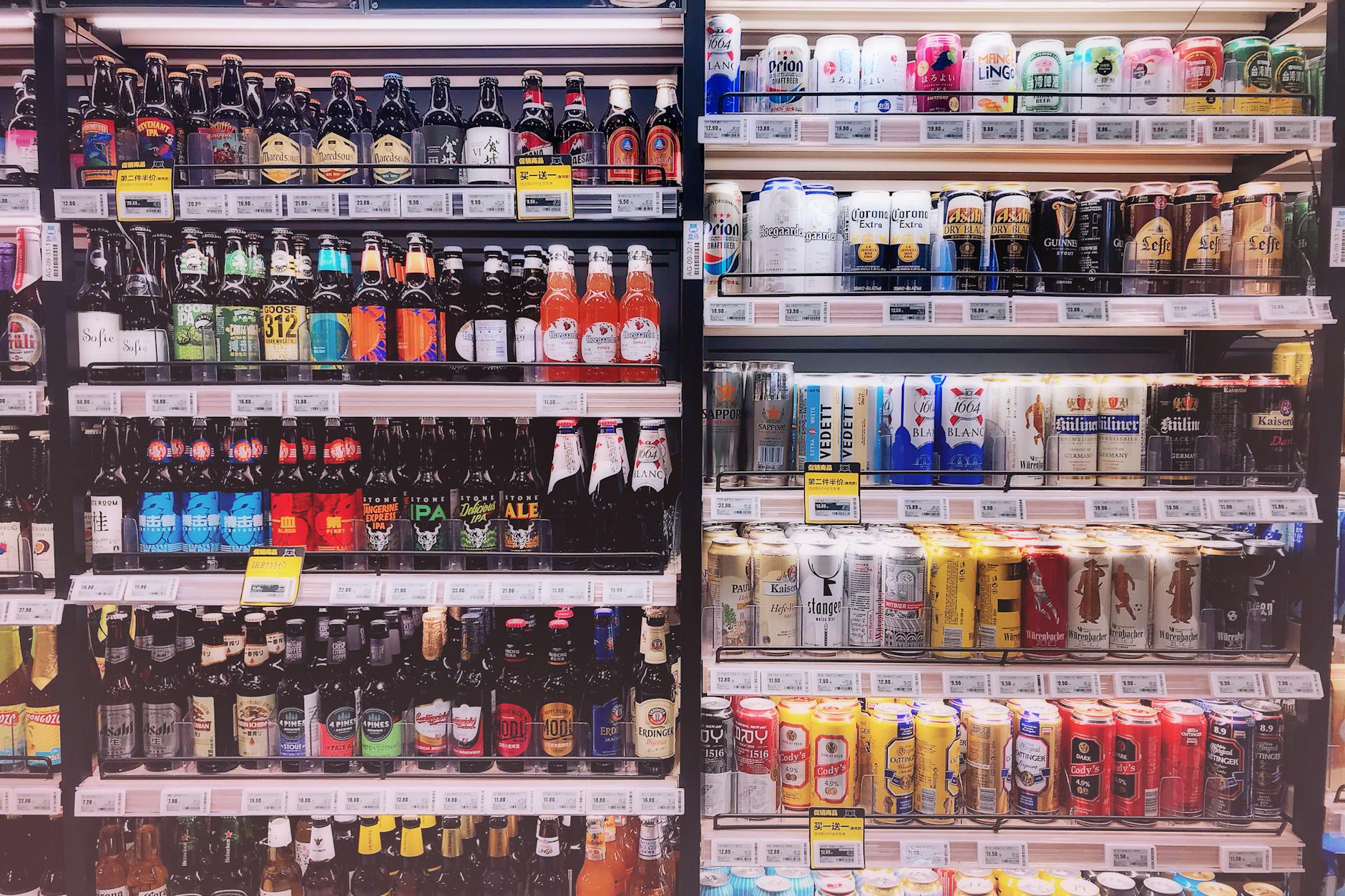
(a) A lack of transparency in the branding and ownership of consumer food and beverage products can mislead consumers regarding their true source, impacting informed purchasing decisions.
(b) Ensuring that consumers are aware of the parent company of the brands they purchase supports a more informed public and promotes corporate accountability.
(c) Establishing clear and enforceable guidelines for the disclosure of parent company information on product packaging is essential for fostering transparency and protecting consumer rights.
Section 3: Definitions
For the purposes of this Act:
(a) “Parent company” means any entity that owns or controls a brand or subsidiary through direct or indirect means, exceeding a certain threshold of ownership.
(b) “Label” refers to any written, printed, or graphic matter on the packaging of consumer goods, visible to the consumer at the point of purchase.
Section 4: Disclosure Requirements
(a) All consumer food and beverage products sold within the state must allocate at least 5% of their front packaging space to conspicuously display the name of their parent company.
(b) The State Department of Consumer Affairs is tasked with determining the specific thresholds, guidelines for compliance, and overseeing the implementation of this requirement.
Section 5: Enforcement and Penalties
(a) The State Department of Consumer Affairs shall enforce this Act. Non-compliance shall result in a fine structure as follows:
- Initial Fine: A fine of $10,000 or 1% of the sales of the non-compliant products over the past 12 months, whichever is greater.
- Second Violation: For a second violation within 3 years of the first, the fine shall be $20,000 or 2% of the sales of the non-compliant products over the past 12 months, whichever is greater.
- Subsequent Violations: Each additional violation shall incur a fine increased by an additional 50% from the previous amount.
- Egregious Violations: Defined as actions causing significant consumer harm or misleading consumers on aspects affecting health or safety. The fine shall be $100,000 or 5% of the total sales of the non-compliant products, whichever is greater.
(b) Remediation Period: Companies will have a 3-month period to correct any issues without accruing fines, provided compliance is achieved by the end of this period.
(c) Public Disclosure: Mandatory public disclosure is required for egregious or repeated violations.
Section 6: Allocation of Funds
Funds collected from fines shall be allocated as follows:
(a) Reinvestment in Consumer Protection Programs: Funding for expanding consumer protection efforts.
(b) Research and Development Funding: Support for research in food safety, nutrition, and public health.
(c) Subsidizing Healthier Food Options: Assistance for making healthier food choices more accessible to all consumers.
(d) Supporting Access to Medications: Funding programs that lower the cost of or provide access to essential medications.
(e) Enhancing Transparency and Information Dissemination: Investment in initiatives that promote transparency and educate the public on food and drug safety.
(f) Emergency Response Funds: Support for rapid response to foodborne illnesses or drug contamination incidents.
(g) Infrastructure Improvements: Funding for the enhancement of infrastructure critical to food safety and drug manufacturing compliance.
Section 7: Severability
If any provision of this Act, or the application thereof to any person or circumstance, is held invalid, the remainder of the Act, and the application of such provision to other persons or circumstances, shall not be affected thereby.
Section 8: Effective Date
This Act shall take effect one year after its passage, providing ample time for companies to comply with the new requirements.
SEE ALSO
Pt. 1: The Illusion of Choice: Unmasking Brand Ownership in Consumer Goods
Pt. 3: Beyond the Counterpoints: Strengthening the Case for Product Brand Transparency



Leave a Reply